
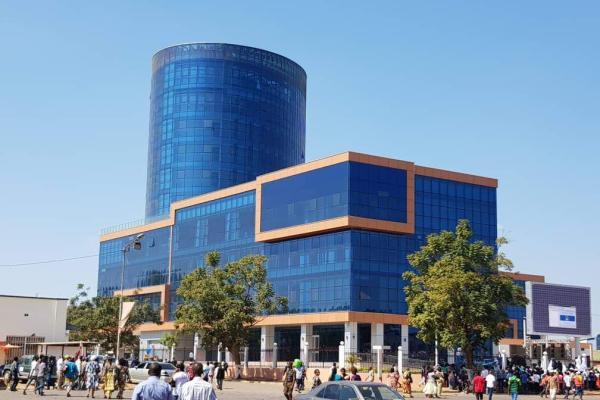
Why is Lubumbashi one of the developing city of the country?
Many factors make Lubumbashi City a more interesting place for people, citizens, and foreigners.
- Mining factors: Lubumbashi is a city on the south side of the country, and in this area we found many mining companies exploring minerals, which boosts other sectors of the economy of the country. Watch this video to have an idea of lubumbashi RDC Congo.
Lubumbashi Is Entering a New Era of Urban Growth
Lubumbashi, the capital of Haut-Katanga Province in the southeastern Democratic Republic of the Congo, continues to stand out as one of the country’s most important urban and economic centers. Known for its historic connection to the mining industry, the city is increasingly associated with commercial activity, residential expansion, private investment, and the changing aspirations of a growing urban population.
In 2026, Lubumbashi represents a city balancing its industrial heritage with the demands of modern urban life. Its development is not simply about constructing new buildings. It is also about creating better places to live, expanding business opportunities, improving services, and preparing for the needs of future generations.
A city shaped by economic opportunity
Mining has played a central role in Lubumbashi’s economic history. The wider Copperbelt region is internationally significant for copper and cobalt production, two minerals that are important to electrical infrastructure, manufacturing, batteries, and the global energy transition.
The presence of mining companies, contractors, logistics providers, professional services, and commercial suppliers has helped create demand for housing, offices, transport, hospitality, and retail businesses.
This economic ecosystem gives Lubumbashi an important advantage. Businesses do not operate in isolation; they benefit from a network of customers, workers, suppliers, and institutions that support one another. When managed effectively, this network can encourage further investment beyond the mining sector itself.
Residential development is changing the urban landscape.
As households grow and businesses expand, demand for residential properties continues to shape the city’s development prospects. New housing projects, apartment buildings, gated residential compounds, and upgraded homes reflect changing expectations about comfort, security, and access to services.
For property developers, the challenge is to match construction with genuine demand. Affordable housing, reliable water and electricity, accessible roads, drainage, and convenient transport are just as important as architectural design.
Lubumbashi’s future residential growth will depend on whether developers can create neighborhoods that are attractive, practical, and financially accessible to a broad range of residents.
Commercial buildings and modern services
Retail outlets, offices, restaurants, hotels, workshops, and other service businesses contribute to the city’s evolving commercial environment. Entrepreneurs are identifying opportunities to serve professionals, families, visitors, and companies operating throughout Haut-Katanga.
Digital services may also play a greater role in the local economy. Online marketplaces, electronic payments, delivery platforms, digital advertising, and booking applications can help businesses reach customers more efficiently.
However, successful modernization requires more than adopting new technology. Companies must understand customer needs, build trust, provide reliable services, and adapt their business models to local conditions.
Infrastructure remains essential.
Rapid urban growth creates pressure on roads, drainage networks, electricity supplies, waste management, and public transport. New developments can improve the appearance of a city, but their long-term value depends on whether supporting infrastructure can keep pace.
Better road maintenance, safer pedestrian areas, improved drainage, and more reliable utilities would help residents and businesses while making new investment more sustainable.
Coordinated planning between public authorities, private developers, utilities, and local communities will therefore be critical to the next stage of Lubumbashi’s evolution.
What the future could hold
Lubumbashi has opportunities to strengthen its position as a regional center for commerce, industry, professional services, education, and technology. Achieving that potential will require investment in skills, infrastructure, business-friendly processes, and economic diversification.
The city also faces familiar urban challenges, including inequality, informal employment, environmental pressures, and the need for affordable public services. These issues should be addressed alongside new construction and commercial expansion.
Conclusion
Lubumbashi’s development story in 2026 is about more than buildings rising above the skyline. It is about the transformation of an important Congolese city into a more connected, productive, and liveable urban center. With careful planning and responsible investment, Lubumbashi can turn its economic importance into broader opportunities for residents and businesses alike.


Leave a Reply